
Views: 0 Author: Site Editor Publish Time: 2026-03-31 Origin: Site


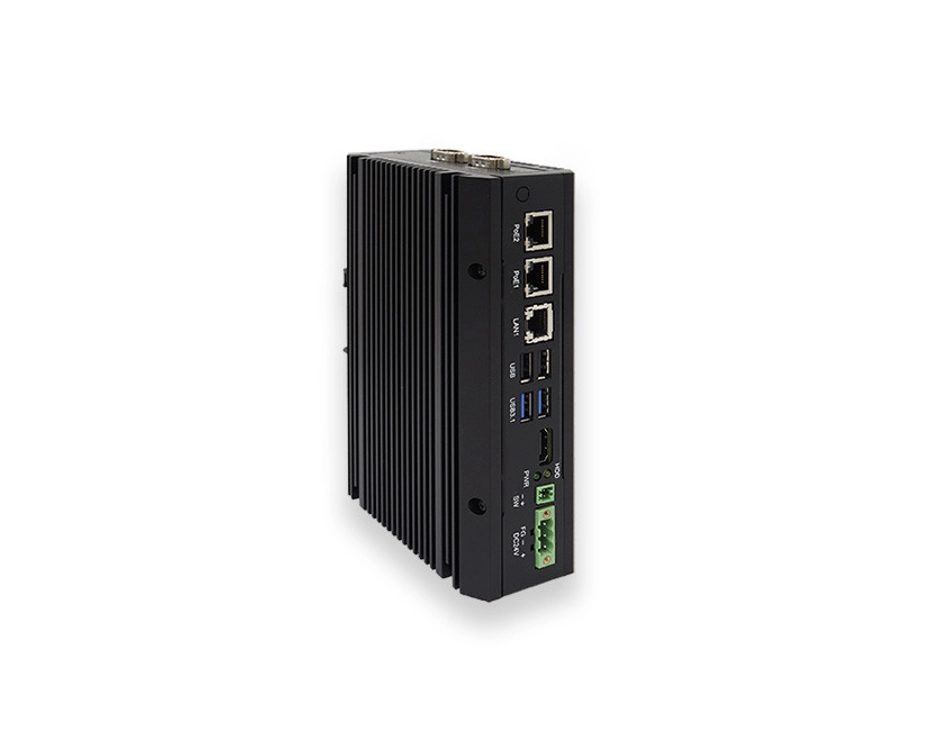
Price comparisons are often the first thing buyers look at when selecting computing hardware. Industrial procurement teams frequently notice that rugged equipment appears more expensive than standard commercial systems at first glance. However, this perspective only captures a small part of the financial reality. When evaluating Rugged Edge Computers, the true cost must include installation complexity, maintenance frequency, downtime risk, replacement cycles, and productivity losses over time. Vincanwo Group, a global manufacturer of industrial computing platforms since 2008, designs rugged edge computing solutions specifically to address these long-term operational challenges. By focusing on reliability, durability, and stable performance, these systems help industrial organizations reduce the total cost of ownership over the entire lifecycle of their computing infrastructure.
Total cost of ownership, often referred to as TCO, represents the full financial impact of a system throughout its operational life. When evaluating industrial computing equipment, several factors contribute to this calculation.
Installation costs are often overlooked during procurement discussions. Deploying computing hardware in industrial environments may require specialized mounting hardware, protective enclosures, or integration with existing systems.
Maintenance expenses accumulate over time as equipment requires cleaning, component replacement, or system inspections. These costs increase when systems operate in harsh environments.
Downtime is another critical factor. When computing systems fail unexpectedly, production processes may stop or monitoring systems may lose visibility into operational conditions.
Repair costs can also grow quickly when hardware failures require emergency replacement or on-site service visits.
Replacement cycles play an important role as well. Hardware that fails prematurely must be replaced sooner than planned, increasing capital expenditure.
Energy consumption and service labor costs further contribute to overall operational spending.
Together, these factors illustrate why focusing only on purchase price can lead to inaccurate cost comparisons.
Office computers operate in predictable environments with controlled temperatures and minimal environmental stress. When a workstation fails in an office, replacement is usually straightforward and operational disruption is limited.
Industrial environments are far more demanding. Computing platforms may be embedded within production lines, integrated into monitoring systems, or deployed across distributed infrastructure.
Replacing a failed industrial computer often requires specialized technicians, system shutdowns, and coordination with operational schedules. These additional complexities mean that reliability becomes a major factor in long-term cost evaluation.
As a result, industrial computing decisions must consider durability and operational continuity alongside performance specifications.
Standard commercial hardware is typically designed for office environments. When installed in industrial facilities, these systems may experience dust exposure, vibration from nearby machinery, and temperature fluctuations.
Dust accumulation can block airflow and increase internal temperatures. Cooling fans may fail or require frequent cleaning to maintain proper operation.
Vibration can affect internal components and connectors, leading to intermittent failures that require troubleshooting and repair.
Heat generated within sealed industrial cabinets may further stress sensitive electronics.
Each of these factors contributes to increased maintenance requirements, which ultimately increase operational expenses.
Unexpected hardware failures often create the highest costs. When a computing system stops functioning suddenly, production processes may halt while technicians diagnose the problem.
Emergency replacement equipment must sometimes be sourced quickly, potentially at higher cost. In distributed industrial environments, service teams may need to travel long distances to reach the affected installation.
These reactive maintenance scenarios are often far more expensive than investing in durable hardware from the beginning.
Industrial operations frequently depend on continuous monitoring and automation systems. If computing platforms supporting these systems fail, the impact may extend beyond IT operations.
Production lines may stop, inspection systems may fail to detect defects, or monitoring systems may lose visibility into equipment health.
The financial impact of downtime can exceed the original purchase price of the computing hardware itself.
For many organizations, avoiding downtime becomes the most important economic consideration.
Rugged computing platforms are designed to operate reliably under harsh environmental conditions. Durable enclosures protect internal components from dust and contamination.
Because these systems require less frequent cleaning and servicing, maintenance schedules become more predictable and less costly.
Fanless cooling systems eliminate one of the most common points of failure in computing hardware. Without moving cooling components, rugged systems experience fewer mechanical issues over time.
This design reduces the likelihood of overheating due to fan failure or airflow blockage.
Lower mechanical complexity also contributes to longer system reliability.
Industrial-grade components are selected for durability and wide temperature tolerance. These components maintain stable performance even when exposed to vibration, temperature variation, or extended operating cycles.
As a result, rugged computing systems typically remain in service longer than commercial alternatives deployed in the same environment.
Extending service life helps reduce the need for frequent replacement.
Reliable computing infrastructure supports continuous industrial operations. Systems designed for harsh environments are less likely to fail unexpectedly.
This stability ensures that monitoring systems, automation processes, and data analytics platforms continue functioning without interruption.
Operational continuity ultimately translates into financial savings and improved productivity.
Cost Category | Standard Hardware Impact | Rugged Edge Computer Impact | Why the Difference Matters |
Initial purchase | Lower purchase price | Higher initial investment | Long-term durability offsets cost |
On-site servicing | Frequent maintenance visits | Minimal routine service | Reduces operational expenses |
Cleaning or fan replacement | Regular maintenance required | Fanless design reduces maintenance | Improves reliability |
Unplanned downtime | Higher probability of failure | Lower risk due to rugged design | Protects productivity |
Replacement interval | Shorter hardware lifespan | Longer operational life | Reduces replacement frequency |
Productivity loss | Increased downtime risk | Greater operational stability | Protects revenue |
Industrial infrastructure is often distributed across multiple locations. Energy facilities, transportation networks, and environmental monitoring systems may operate in remote areas.
When computing hardware fails in these locations, technicians must travel to perform maintenance or replacement tasks.
Travel time, labor costs, and logistical coordination increase the overall cost of service visits.
Reducing the frequency of such visits significantly improves operational efficiency.
Organizations managing distributed infrastructure often maintain spare equipment inventories to ensure rapid replacement in case of failure.
If hardware reliability is uncertain, larger inventories may be required to support maintenance needs.
Reliable rugged computing systems reduce the need for large spare equipment reserves.
This improvement simplifies inventory management and reduces capital tied up in backup hardware.
Industrial operations often run continuously, leaving limited time for maintenance activities. Scheduled shutdown windows may occur only a few times per year.
If hardware fails outside these windows, repairs may require unscheduled downtime or temporary workarounds.
Reliable computing systems minimize the likelihood of unexpected failures during critical operational periods.
Reliable hardware allows maintenance teams to plan service schedules in advance. Predictable maintenance cycles simplify resource planning and reduce operational uncertainty.
Organizations can align maintenance activities with scheduled downtime rather than responding to emergency failures.
Industrial organizations often deploy computing infrastructure across multiple facilities. Standardizing hardware platforms simplifies management and support processes.
Rugged edge computing systems designed for long-term reliability support consistent deployment strategies.
Standardization also improves software compatibility and simplifies system integration.
Capital investment decisions often require justification through return on investment analysis. Demonstrating lower lifecycle costs helps stakeholders understand the value of rugged computing platforms.
Organizations evaluating industrial computer ROI can highlight reduced maintenance costs, lower downtime risk, and longer equipment lifespan.
These factors help justify investments in higher-quality hardware solutions.
Industrial buyers are often more interested in operational reliability than technical specifications. Emphasizing uptime and continuity helps illustrate the practical benefits of rugged computing systems.
Lifecycle economics provide a clearer picture of long-term value than simple purchase price comparisons.
Short-term savings sometimes lead to higher operational costs. Hardware designed for office environments may fail more quickly when exposed to industrial conditions.
Frequent maintenance and unexpected downtime quickly offset any initial savings.
Understanding these trade-offs helps buyers make more informed decisions.
The most effective way to evaluate computing infrastructure is by examining real operational conditions. Dust exposure, vibration, temperature variation, and continuous operation all influence system reliability.
Rugged computing platforms designed for these environments provide a more practical solution than general-purpose hardware.
Evaluating industrial computing platforms requires looking beyond initial purchase price and considering the long-term operational impact of hardware decisions. Reliable systems reduce downtime, minimize maintenance requirements, and extend equipment lifespan, ultimately lowering the total cost of ownership. Industrial edge computers built for harsh environments provide organizations with a durable foundation for continuous operations and scalable digital infrastructure. Vincanwo Group develops rugged computing solutions that help industrial customers around the world improve reliability while controlling operational costs. If your organization is planning edge computing infrastructure and wants to explore durable industrial platforms designed for long-term value, contact us to learn more about our rugged computing solutions.
TCO refers to the total cost of ownership over the entire lifecycle of the hardware. It includes purchase price, maintenance costs, downtime impact, replacement cycles, and operational expenses.
Rugged edge computers are designed for harsh industrial environments. Their durable construction reduces maintenance requirements, lowers downtime risk, and extends operational lifespan.
Industrial computer ROI improves when systems operate reliably without frequent repairs or unexpected failures. Reduced maintenance and downtime contribute to higher productivity and lower operational costs.
Organizations operating in environments with dust, vibration, temperature variation, or continuous operation should consider rugged edge computers to ensure long-term reliability and lower lifecycle costs.


