
Views: 0 Author: Site Editor Publish Time: 2026-03-26 Origin: Site


Factory automation cabinets, roadside monitoring stations, transportation systems, and remote infrastructure installations all rely on computing systems that operate far from traditional IT control rooms. These environments place computers close to machinery, sensors, and operational networks, which means the systems are exposed not only to environmental stress but also to cybersecurity risks and physical interference. Rugged Edge Computers designed for industrial deployment must therefore address both digital security and hardware resilience. Vincanwo Group, a global supplier of industrial computing platforms since 2008, develops rugged computing systems that support secure edge operations in manufacturing, transportation, energy, and other demanding industries where reliability and security must work together.
Data centers operate in controlled environments where physical access is restricted and security monitoring systems are centralized. Industrial edge computing systems are deployed under very different conditions. Instead of being located in secure server rooms, they may be installed on production floors, inside roadside cabinets, or in remote infrastructure locations.
These distributed deployments make monitoring more complex. Edge systems may be spread across multiple facilities or geographic regions, and direct physical supervision is often limited. Because these devices interact with operational technology systems, they also become potential entry points into critical infrastructure networks.
Maintaining strong security for these distributed systems requires both software protections and hardware-level safeguards.
Many industrial environments involve shared workspaces where multiple teams have access to equipment. Shop floors often include maintenance staff, contractors, and operators working near control cabinets or monitoring stations.
Remote cabinets present another challenge. Systems installed along highways, rail lines, or energy pipelines may not have constant supervision. These installations can be vulnerable to tampering if hardware protection measures are insufficient.
Field installations such as environmental monitoring stations or distributed infrastructure systems often rely on limited physical security measures. When computing systems are accessible, unauthorized physical interaction becomes a real possibility.
Third-party maintenance also introduces risk. Contractors servicing equipment may inadvertently access system ports or internal hardware if devices lack proper access control measures.
These factors highlight why physical security must be considered an essential part of industrial edge computing design.
Edge computing systems frequently process sensitive operational information. Production metrics, equipment performance data, and safety monitoring systems all depend on reliable computing platforms operating close to industrial equipment.
Because these systems handle real-time operational data, they effectively become part of the organization’s critical infrastructure. Protecting them is therefore essential for maintaining operational continuity.
Industrial edge computers often act as intermediaries between operational technology systems and enterprise networks. Sensors, cameras, and machinery transmit data into edge platforms where it is analyzed before being sent to centralized systems.
This position within the network architecture makes edge computers a key integration point between operational and information technology environments. If compromised, these devices could potentially expose multiple layers of infrastructure.
Strong hardware and software security measures therefore become essential for protecting both operational data and network integrity.
Unlike office computers, industrial edge systems are often responsible for supporting production workflows or safety monitoring processes. If a computing platform fails due to security issues, the consequences may extend beyond IT systems.
Production lines may stop functioning properly if inspection systems fail. Monitoring systems may stop detecting anomalies or safety events. Operational disruption can quickly translate into financial losses or safety risks.
These realities demonstrate why industrial computing systems must be designed with security considerations integrated into the hardware platform itself.
Hardware-based trust mechanisms play an important role in securing computing platforms. Trusted Platform Module technology helps ensure that system integrity can be verified before software loads.
Secure boot functions prevent unauthorized software from running during system startup. By verifying firmware and operating system components, these mechanisms help protect against malicious modifications.
These hardware-level protections establish a foundation of trust that supports higher-level security strategies.
Firmware security is another critical component of industrial cybersecurity. Unauthorized changes to BIOS or firmware can compromise system behavior and bypass operating system protections.
Systems designed for industrial security include mechanisms that protect firmware from unauthorized modifications. These features ensure that critical system instructions remain unchanged unless authorized updates are applied.
Maintaining firmware integrity is particularly important for distributed edge systems where physical access may be possible.
Encryption capabilities help protect sensitive data processed by edge systems. Industrial computing platforms may include hardware acceleration for encryption processes, enabling secure data handling without compromising performance.
Secure storage features also help ensure that data remains protected even if physical hardware is accessed.
External ports represent another potential vulnerability. Unauthorized devices connected through USB or other ports could introduce malicious software or extract sensitive data.
Industrial computing systems often incorporate mechanisms that control or restrict peripheral access. These features allow administrators to define which devices can interact with the system and prevent unauthorized hardware connections.
Security also depends on maintaining up-to-date operating systems and software components. Edge computing platforms must support secure update mechanisms that allow organizations to deploy patches without disrupting operations.
Reliable update processes ensure that vulnerabilities can be addressed promptly while maintaining system stability.
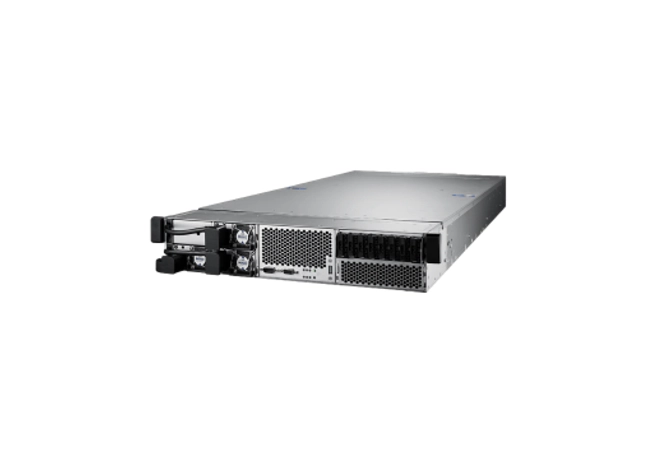
Physical enclosure design contributes directly to device security. Industrial computing systems often incorporate reinforced enclosures that resist tampering or unauthorized access.
Tamper-evident features allow operators to identify when a device has been opened or modified. This capability helps maintain system integrity across distributed installations.
Mounting design plays a role in physical protection. Devices securely mounted inside cabinets or infrastructure enclosures are less likely to be accessed or removed without authorization.
Restricted port access also helps prevent unauthorized connections. Covering or protecting external ports reduces the likelihood of malicious hardware being introduced into the system.
Security strategies also include operational procedures. Monitoring environmental conditions and maintaining proper installation practices help ensure that computing systems remain secure and stable.
Regular inspections and standardized deployment methods reduce the likelihood of accidental exposure or misconfiguration.
Rugged industrial computer designs provide additional security benefits beyond environmental protection. Durable enclosures resist physical damage and unauthorized manipulation.
Strong chassis construction also protects internal components from tampering attempts. This combination of durability and controlled access helps maintain system integrity in challenging environments.
Security Layer | Example Feature | Risk Reduced | Why It Matters in Industrial Deployment |
Hardware trust | TPM and secure boot | Unauthorized firmware modification | Ensures system starts with verified software |
Firmware protection | Locked BIOS settings | Malicious firmware changes | Protects system integrity |
Data security | Hardware encryption support | Data theft | Protects operational information |
Physical protection | Tamper-resistant enclosure | Unauthorized hardware access | Prevents physical manipulation |
Peripheral control | Restricted USB access | Malware introduction | Limits external device risks |
Network control | Secure remote access protocols | Unauthorized network entry | Maintains safe connectivity |
Network segmentation separates operational technology networks from enterprise IT systems. This separation helps limit the spread of potential security incidents.
Edge computing systems often serve as gateways between these environments, making secure network design essential.
Remote access capabilities allow administrators to monitor and manage edge systems without traveling to each deployment location. Secure communication protocols ensure that these remote connections remain protected.
Proper authentication and encryption methods are essential to maintaining secure remote management.
Edge computing architectures often reduce the need to transmit large volumes of raw data to centralized systems. Processing information locally allows organizations to share only relevant results or summaries.
This approach limits unnecessary data exposure and reduces the attack surface associated with large-scale data transmission.
Some edge deployments operate in locations where connectivity is intermittent. Security strategies must account for these conditions by ensuring that systems remain protected even when network connections are temporarily unavailable.
Offline protection mechanisms and secure update strategies help maintain system security in such environments.
As industrial systems become more connected, organizations are paying closer attention to cybersecurity risks. Buyers now evaluate security features alongside performance and durability when selecting computing platforms.
This shift reflects growing awareness of the role computing infrastructure plays in protecting operational data and infrastructure.
Selecting secure computing platforms reduces the likelihood of costly disruptions. Systems designed with integrated security features help protect against unauthorized access, data theft, and operational interference.
Reliable hardware security also simplifies compliance with industry standards and regulatory requirements.
Organizations depend on computing infrastructure to support critical operations. When edge systems are secure and reliable, businesses gain confidence in their ability to scale digital initiatives safely.
Secure hardware platforms enable companies to expand edge analytics, automation, and AI deployments without introducing unnecessary risk.
Industrial digitalization continues to expand the role of computing systems at the edge of operational networks. Protecting these systems requires a combination of cybersecurity mechanisms and physical safeguards that work together to maintain system integrity. Industrial edge computers designed with integrated security features provide a stronger foundation for modern industrial infrastructure. Vincanwo Group develops rugged computing platforms that combine durable hardware design with advanced security capabilities, enabling organizations around the world to deploy reliable and protected edge computing environments. If your organization is planning to strengthen industrial cybersecurity and deploy secure edge infrastructure, contact us to learn more about our rugged computing solutions.
Rugged edge computers process operational data and connect industrial devices with enterprise networks. Strong hardware security features help protect these systems from unauthorized access and cyber threats.
Important features include trusted platform modules, secure boot mechanisms, firmware protection, encryption support, and controlled access to external ports.
Edge devices may be installed in locations where physical access is possible. Tamper-resistant enclosures and secure mounting help prevent unauthorized hardware manipulation.
They combine durable hardware design with integrated security mechanisms, enabling organizations to deploy reliable computing infrastructure while protecting operational networks and data.


