
Views: 0 Author: Site Editor Publish Time: 2026-10-27 Origin: Site


Are standard desktop computers constantly crashing on your factory floor? For facility managers and automation engineers, few things are more frustrating than watching commercial hardware choke on airborne dust or succumb to extreme heat. Harsh manufacturing environments are fundamentally unforgiving. Airborne debris, wild temperature fluctuations, and relentless machine vibrations quickly destroy traditional active-cooling setups.
The ultimate solution to this widespread problem is the Fanless Industrial PC. By completely eliminating moving parts and utilizing advanced passive cooling architecture, these ruggedized systems ensure continuous operation where standard desktops fail. This comprehensive guide explores why this specific hardware architecture is a critical investment. You will discover how it directly contrasts with commercial alternatives and exactly how to select the right system for your facility.
Modern manufacturing is undergoing a massive transformation. Facilities are aggressively adopting Industry 4.0 standards and deploying edge computing networks. Instead of sending all data to a centralized cloud, factories now process critical information locally right at the machine level. This shift drastically reduces latency for automated systems. However, it also pushes sensitive computing hardware directly into the most hazardous zones of the plant floor.
Consequently, industry analysts note a surging demand for localized, ruggedized processing power. Relying on fragile office-grade computers to run critical edge AI applications is no longer viable. A single hardware failure can now blind entire automated networks rather than just disrupting an isolated machine. Deploying robust edge devices has evolved from a premium upgrade into a fundamental requirement for the modern smart factory.
Elimination of Moving Parts: Utilizing passive cooling architecture removes the mechanical fan. This engineering choice drastically increases the Mean Time Between Failures and ensures long-term operational stability.
Ultimate Environmental Protection: Constructed with extruded aluminum chassis and sealed to meet strict Ingress Protection ratings, these computers prevent conductive dust and moisture from reaching sensitive internal components.
Wide Temperature Resilience: Advanced thermal designs and industrial-grade internals allow these systems to operate flawlessly in extreme heat and freezing environments without thermal throttling.
Long-Term ROI: Although the initial procurement cost exceeds standard commercial hardware, the Total Cost of Ownership is significantly lower. This reduction is driven by zero routine maintenance and the prevention of highly expensive production downtime.
Transitioning from pristine corporate data centers to the gritty reality of the manufacturing floor requires a deep understanding of structural hardware differences. A ruggedized fanless computer is highly specialized equipment. Engineers design these units specifically to operate reliably in environments that would rapidly destroy standard commercial desktops.
The defining characteristic of these robust systems is their passive cooling architecture. Instead of relying on mechanical fans to pull ambient air across internal components, they dissipate heat through thermodynamics. The outer chassis is typically constructed from heavy-duty extruded aluminum alloy featuring prominent fins that increase the surface area.
Internally, critical heat-generating components like the Intel Celeron or Core processors connect directly to this aluminum casing. Engineers use highly conductive thermal blocks and copper heat pipes to create a direct thermal bridge. As the processor generates heat, the energy transfers to the external chassis and naturally dissipates into the surrounding air. This completely sealed design means no outside air ever enters the computer. Corrosive contaminants stay outside where they belong.
To fully grasp the necessity of industrial-grade hardware, we must contrast it directly with standard commercial PCs. The table below outlines the fundamental engineering differences.
Feature | Standard Commercial PC | Fanless Industrial PC |
|---|---|---|
Cooling Method | Active via mechanical fans | Passive via extruded aluminum chassis |
Chassis Material | Plastic and thin sheet metal | Heavy-duty aluminum alloy |
Temperature Range | 10°C to 35°C | -10°C to 60°C or wider |
Dust and Water Resistance | None due to open vents | High Ingress Protection ratings |
Vibration Resistance | Low due to moving parts | High via solid-state components |
Maintenance Needs | Frequent filter cleaning | Zero routine maintenance |
IT teams managing factory networks frequently encounter a specific recurring set of frustrations. Standard computers belong in clean climate-controlled offices. When you deploy them on a manufacturing floor, their lifespan drops from years to mere months.
A common yet heavily flawed strategy employed by budget-conscious departments is placing standard commercial PCs inside custom-built environmental enclosures. While this appears cost-effective initially, it introduces new critical failures. These cabinets essentially act as thermal insulators. The internal fan blows hot air into the sealed cabinet. This air then recirculates and causes the ambient temperature inside the box to spike rapidly.
To counter this heat buildup, admins must install secondary fans and air filters on the cabinet itself. This merely shifts the maintenance burden. Maintenance personnel must now constantly monitor and clean external filters. If a filter clogs, the PC inside overheats and fails. Purchasing a purpose-built system eliminates this redundant engineering entirely.
In the manufacturing sector, proactive reliability is always cheaper than reactive downtime. When a standard fan chokes on factory dust, the processor overheats and the system crashes. Production halts immediately if that computer controls a vital piece of machinery or an automated assembly line. The financial impact of unplanned downtime can run into thousands of dollars per minute. Investing in reliable architecture prevents these catastrophic production stops.
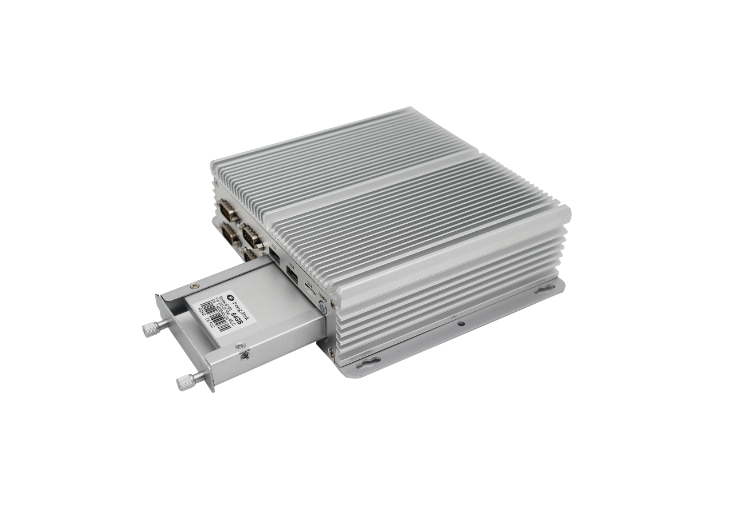
The term harsh environment encompasses a variety of physical threats that compromise electronic equipment. Understanding these specific hazards clarifies why passive cooling and rugged chassis designs are non-negotiable for industrial applications.
In industries such as woodworking or CNC machining, the air is saturated with particulate matter. A standard computer fan acts like a vacuum cleaner actively sucking these particles into the chassis. Over time, dust blankets the motherboard and acts as an insulating blanket that traps heat. More dangerously, airborne metal shavings in fabrication facilities are highly conductive. When these metallic particles settle across exposed circuitry, they create immediate short circuits that permanently destroy the hardware.
Manufacturing environments rarely maintain comfortable room temperatures. Foundries and glass manufacturing plants expose equipment to intense radiant heat. Conversely, food processing facilities require hardware to operate in freezing conditions. Standard PCs rely on commercial-grade capacitors that degrade rapidly outside a narrow thermal window.
Heavy machinery and automated guided vehicles generate continuous kinetic energy. These constant vibrations are fatal to standard computers. Prolonged shaking can unseat RAM modules from their slots and loosen internal wiring. Industrial systems counter this by utilizing cable-less internal designs and exclusively utilizing solid-state drives.
Upgrading factory floor infrastructure to fanless technology provides measurable operational advantages. Specifically, the shift away from active cooling fundamentally changes the lifecycle of the hardware.
Removing the mechanical fan eliminates the most frequent point of failure in any computer system. Fans have bearings that wear out over time. By relying entirely on solid-state technology, the overall mechanical complexity of the system drops to zero. Transitioning to a dedicated industrial-grade computing system removes these physical failure points. This translates to years of continuous uninterrupted service.
Because there are no intake vents, dust cannot accumulate inside the chassis. Consequently, IT teams are freed from the tedious task of opening cases on the factory floor to blow out dust with compressed air. While the initial capital expenditure for industrial hardware is higher, the Total Cost of Ownership plummets over a typical deployment lifecycle. The elimination of maintenance labor ensures a rapid return on investment.
Without the need to accommodate bulky cooling fans, passive cooling systems can be engineered into incredibly compact footprints. This space-saving design is crucial in industrial settings where real estate is at a premium. These units can be easily integrated into tight control cabinets or mounted directly onto the side of manufacturing machinery.
Protecting internal electronics from physical ingress is a primary function of industrial hardware. This protection is quantified using standardized metrics which serve as a critical benchmark during the procurement process.
When a standard PC operates in a dusty environment, the active cooling system accelerates its demise. The fan draws in ambient air to cool the heatsink alongside all airborne debris. This debris accumulates on the fan blades and alters their aerodynamics. The fan motor works harder and eventually burns out. Simultaneously, dust absorbs moisture from the air. This damp layer becomes mildly conductive and highly corrosive.
To ensure adequate protection, engineers test industrial computers against the Ingress Protection rating system. The first digit indicates protection against solid objects like dust. The second digit indicates protection against liquids. For example, a rating of IP65 means the unit is completely dust-tight and protected against low-pressure water jets. Understanding these ratings allows facility managers to select a system that perfectly matches their environmental hazards.
Standard commercial computers are engineered for climate-controlled offices. When deployed in manufacturing facilities, these systems face environments that completely disregard commercial temperature limitations. From the blistering heat of steel foundries to freezing cold storage, extreme temperatures are a constant threat.
The engineering behind passive cooling allows a high-quality industrial system to operate flawlessly across a wide temperature range. Many robust models easily handle environments from negative 10 degrees Celsius up to 60 degrees Celsius. This resilience is achieved through meticulous mechanical and thermodynamic engineering.
Furthermore, in freezing environments, this sealed design prevents internal condensation. Moisture will not short-circuit the motherboard when temperatures fluctuate. This allows the exact same hardware model to be deployed in an unheated outdoor kiosk in the winter and next to a blast furnace in the summer.
Thermal throttling is a self-preservation mechanism built into modern processors. When a CPU detects approaching critical temperatures, it automatically reduces its clock speed to lower heat output. In a standard PC with a clogged fan, this happens rapidly. The factory software begins to lag or freeze. Effective thermal design in industrial computing prevents thermal throttling entirely. Because heat is continuously wicked away from the CPU, the system can run at maximum utilization around the clock.
Transitioning from commercial hardware to industrial-grade systems requires careful planning. A factory floor is a complex ecosystem of legacy machinery and modern sensors. Use this practical engineering checklist to align your technical requirements with the realities of your manufacturing environment.
The first step in procurement is conducting a rigorous site survey. Do not assume that all factory floors are identical. Measure the ambient temperature extremes during peak summer and winter months. Assess the particulate matter in the air to determine if it is conductive. Determine if the machine will be subjected to direct vibration from nearby stamping presses. This evaluation dictates your required specifications.
Manufacturing environments uniquely blend cutting-edge robotics with older legacy Programmable Logic Controllers. A standard commercial PC simply lacks the physical ports required to interface with industrial machinery. Your chosen hardware must act as a bridge between the old and the new.
When evaluating your requirements, inventory the connections needed for your specific machinery. Most industrial setups require legacy serial ports like RS232 or RS485 to communicate with older equipment. For modern connectivity, dual Gigabit Ethernet LAN ports are highly recommended to isolate the internal machine network from the broader enterprise network. Specifying a versatile unit like the VW-100 fanless series provides this comprehensive suite of interfaces, ensuring seamless integration with both modern sensors and legacy hardware.
Space is a premium commodity on a factory floor. Industrial computers must be integrated directly into control cabinets or attached to the side of machinery. Planning your mounting strategy before purchase ensures that the system will physically fit into its intended operational space. Consider DIN-rail mounting for snapping the PC directly into standard control cabinets. Alternatively, VESA mounting is perfect for attaching the PC directly to the back of an industrial touchscreen monitor.
Standard computers belong in standard office environments. The unforgiving reality of the factory floor demands the rugged passive-cooling architecture that only specialized hardware can provide. As industries continue to integrate edge computing and smart automation, relying on fragile commercial desktops is a direct threat to operational efficiency.
Industrial-grade hardware ensures continuous and uninterrupted production. It secures ultimate peace of mind for administrators who no longer have to perform emergency maintenance on choked and overheated machines. You must upgrade your vulnerable factory infrastructure to remain competitive. Reliable systems prevent catastrophic data loss and thousands of dollars in unplanned downtime.
Choose purpose-built hardware for your harsh environments. Explore reliable and high-performance options tailored to your exact specifications. Visit the experts at Vincanwo Group to find the perfect maintenance-free computing solution for your industrial applications today.
Due to the complete elimination of moving parts, these robust systems boast a significantly longer operational lifespan than commercial alternatives. Standard desktop computers rely on spinning fans and mechanical hard drives which are the most common points of failure. By utilizing passive aluminum heatsinks and solid-state drives, a fanless system drastically increases its operational lifespan. In harsh manufacturing environments, it is common for these systems to operate reliably for five to seven years operating continuously without requiring hardware replacement.
In terms of initial capital expenditure, industrial hardware does carry a higher upfront cost. This is due to the specialized engineering, extruded aluminum chassis, and wide-temperature components required for industrial certification. However, when evaluating the total cost of ownership, industrial PCs are significantly more cost-effective. They eliminate ongoing maintenance costs and prevent catastrophic production downtime. In manufacturing, a single hour of unplanned downtime can cost tens of thousands of dollars.
Yes, absolutely. Despite their rugged exterior, the internal architecture of these systems is based on standard computing platforms utilizing processors from major manufacturers. This means they offer seamless software compatibility with the operating systems you already use. They effortlessly run standard enterprise software including modern Windows versions and specialized IoT builds. Furthermore, they are fully compatible with various Linux distributions required for precise automation control.
No, they are specifically engineered to prevent overheating through the science of thermodynamics. Instead of relying on vulnerable fans to blow air, the entire metal chassis is designed to function as a massive heatsink. Internal heat-generating components are thermally bonded to the heavy-duty casing. The heat is rapidly conducted away from the processor and dispersed into the surrounding ambient air through external fins. This passive cooling methodology is highly efficient and safe.
While both are built for factory environments, a standard industrial PC might still utilize high-grade mechanical fans and filters to cool powerful internal components. These require regular filter replacements to maintain airflow. A completely fanless PC relies entirely on passive thermodynamic cooling through its metal chassis. This makes the fanless option superior for environments with heavy airborne particulate matter, as there are zero intake vents for conductive dust or moisture to penetrate.
Most ruggedized fanless computers support multiple industrial mounting standards. The most common method for control cabinets is DIN-rail mounting, which allows the computer to snap securely onto the same standardized metal rails used for power supplies and logic controllers. Wall-mount brackets are also frequently used to secure the unit flat against the backplane of the cabinet. When mounting, always ensure you leave a few inches of clearance around the chassis fins to allow for proper convective heat dissipation.


